Deficiency reporting matters
If required repairs are identified, or if there is no onsite exhaust system diagram, Boston expects a deficiency report to be issued to the establishment and forwarded according to Fire Prevention Division instructions.
NFPA 96 & FIRE CODE COMPLIANCE
Boston Hood Cleaning Pros follows NFPA 96 standards on every job. We provide the documentation, photo reports, and service stickers you need to pass fire marshal, health department, and insurance inspections.
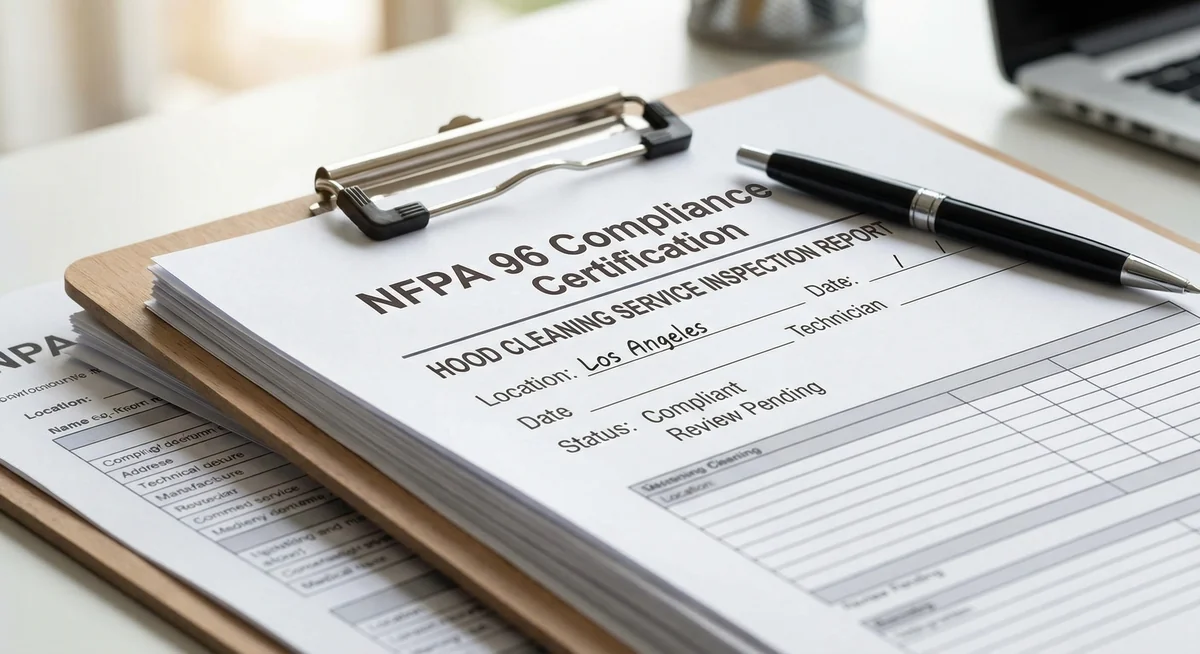
Boston is not just looking for a shiny hood. The City expects commercial hood and ventilation cleaners working in Boston to follow administrative requirements tied to NFPA 96, including inspection stickers, deficiency reporting, and clear documentation when systems are not compliant.
If required repairs are identified, or if there is no onsite exhaust system diagram, Boston expects a deficiency report to be issued to the establishment and forwarded according to Fire Prevention Division instructions.
Boston expects cleaning and inspection contractors to follow posting and administrative requirements, which is why dated stickers and written records are not optional fluff — they are part of being inspection-ready.
If a required cleaning is missed or a contract is not renewed on schedule, operators can create unnecessary risk with inspectors, insurers, and ownership groups. Recurring planning matters.
NFPA 96 is the National Fire Protection Association's standard for ventilation control and fire protection of commercial cooking operations. It establishes the minimum fire safety requirements for cooking equipment, hoods, ducts, and fans in commercial kitchens.
Commercial cooking operations generate grease-laden vapors that accumulate in exhaust systems. Without proper cleaning and maintenance, this buildup creates a significant fire hazard. NFPA 96 provides the guidelines to keep your kitchen safe and compliant.
In the City of Boston, the Fire Department, Inspectional Services, and Health Department have established specific expectations for exhaust vent cleaners and inspectors. That means operators need more than a clean-looking hood — they need documentation, stickers, deficiency reporting when required, and service records that stand up during inspection.
NFPA 96 establishes specific cleaning intervals based on the type and volume of cooking in your commercial kitchen:
Solid fuel cooking: Kitchens using wood, charcoal, or other solid fuels require monthly exhaust system cleaning due to rapid creosote and grease buildup.
High-volume cooking: 24-hour operations, wok cooking, charbroiling, and high-volume frying require quarterly cleaning to prevent dangerous grease accumulation.
Moderate-volume cooking: Most standard restaurants fall into this category, requiring professional cleaning every six months.
Low-volume cooking: Churches, seasonal businesses, day camps, and facilities with minimal cooking may require only annual cleaning.

Every Boston Hood Cleaning Pros service includes documentation designed to help operators answer practical inspection questions, maintain proof of service, and stay ready if fire, health, ownership, or insurance stakeholders ask for records:
We photograph your entire exhaust system before and after cleaning, providing visual proof of the work performed and your system's compliance status.
We place dated service stickers on your hood showing the cleaning date and the recommended next service date based on your cooking volume.
Written reports document the scope of work performed, issues found, and recommendations for maintaining compliance. When problems are discovered, operators need clear notes they can act on fast.
If you face a surprise inspection, our documentation helps you demonstrate compliance immediately. We're also available to speak with inspectors if needed.
Most commercial kitchen insurance policies require regular professional exhaust cleaning per NFPA 96 standards. Without proper documentation of cleaning, your claim may be denied in the event of a grease fire.
Regular professional cleaning demonstrates due diligence in maintaining a safe environment. This can protect you from liability claims if a fire occurs despite your compliance efforts.
Managers need records, stickers, photos, and clear notes they can hand to ownership, insurance, or inspectors without scrambling.
Recurring scheduling matters because missed cleanings and deferred issues create risk fast in busy kitchens.
Boston compliance is more than surface degreasing — it is documentation, reporting discipline, and full-system cleaning that holds up under review.
Don't wait for an inspection to find out your kitchen isn't compliant. Schedule professional hood cleaning with full documentation today.
Call (617) 830-6808 for immediate service.
Prefer phone? Call us at (617) 830-6808.
Boston Hood Cleaning Pros schedules work around close-outs, prep windows, and inspection timelines across Greater Boston. We route crews by corridor so multi-unit operators get predictable arrival windows and consistent reporting.
Photo reports, clear communication, and service records help managers answer to ownership, insurance, and inspections.
Night and early-morning scheduling helps active kitchens get cleaned without torpedoing operations.
That means hoods, filters, duct-access areas, fans, rooftop grease zones, and practical maintenance recommendations.